Integrating the Magnifying Glass Silhouette Icon Vector into Modern Design Workflows
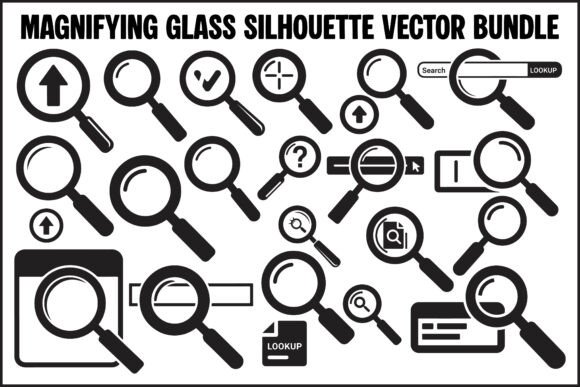
In the landscape of digital interface design, clarity is not merely an aesthetic choice; it is a functional necessity. Users navigate complex ecosystems of data, products, and information daily, relying on visual cues to guide their interactions. Among these cues, the search function remains one of the most critical entry points for user engagement. This is where a high-quality Magnifying Glass Silhouette Icon Vector becomes an indispensable asset. It is not just a graphic element; it is a universal symbol for discovery, inspection, and analysis. When integrated correctly, this icon bridges the gap between user intent and system response, ensuring that the act of searching feels intuitive rather than obstructive.
For professionals ranging from UI/UX designers to marketing strategists, understanding how to deploy this specific type of vector asset can significantly streamline workflow efficiency. The value lies not only in the visual appeal but in the technical versatility of the file formats provided. A comprehensive bundle that includes EPS, SVG, PNG, and JPG files allows creators to maintain consistency across various platforms, from high-resolution print materials to lightweight mobile applications. By focusing on clean, bold, and minimal silhouettes, designers can avoid the clutter that often plagues modern interfaces, ensuring that the primary call to action remains visible and accessible.
The Role of Visual Consistency in User Experience
Consistency is the backbone of trustworthy design. When a user encounters a magnifying glass icon, they expect a specific behavior: the ability to query a database or filter results. If the icon’s style clashes with the rest of the interface—perhaps it is too detailed, overly decorative, or inconsistent in weight—it creates cognitive friction. A well-balanced magnifying glass silhouette eliminates this friction by adhering to established design patterns while offering a fresh, modern interpretation. The bold, minimal style ensures that the icon remains legible even at smaller sizes, which is crucial for mobile-first designs where screen real estate is limited.
Implementing these icons requires a strategic approach to placement and scaling. In web applications, the search icon often resides in the header or navigation bar. Here, the SVG format is particularly advantageous. Scalable Vector Graphics ensure that the icon renders crisply on any display, from standard desktop monitors to high-density retina screens. Unlike raster images, which can pixelate when scaled, SVGs maintain their geometric integrity. This means that a single file can serve multiple breakpoints in a responsive design, reducing the need for multiple asset versions and simplifying the developer’s handoff process.
Workflow Integration Across Different File Formats
A robust design workflow accounts for various stages of production, from initial mockups to final deployment. The inclusion of multiple file types in a single bundle supports this end-to-end process. Understanding when to use each format is key to maximizing efficiency and quality.
- SVG for Web and App Development: As mentioned, SVGs are ideal for live environments. They are lightweight, which contributes to faster page load times—a critical factor for SEO and user retention. Furthermore, SVG code can be manipulated via CSS, allowing developers to change the color or size of the icon dynamically based on user interaction, such as hover states or active filters.
- EPS for Print and Large-Scale Branding: When the design moves from screen to paper, such as in brochures, business cards, or large-format signage, the EPS format becomes essential. These fully editable vector files allow designers to adjust curves and nodes with precision in software like Adobe Illustrator or CorelDRAW. This ensures that the magnifying glass silhouette retains its smooth edges and professional appearance regardless of the physical dimensions.
- PNG for Presentations and Mockups: For stakeholders who may not have design software, or for quick integration into slide decks and documentation, PNG files with transparent backgrounds are invaluable. They offer high-quality resolution without the complexity of vector editing. The clean edges of a well-made PNG ensure that the icon blends seamlessly into any background color or image used in a presentation.
- JPG for Previews and Thumbnails: While less flexible due to their solid backgrounds, JPGs are perfect for asset libraries, preview thumbnails, or social media posts where file size and compatibility are prioritized over transparency.
Enhancing Professional Presentations and Infographics
Beyond digital interfaces, the Magnifying Glass Silhouette Icon Vector plays a vital role in communication materials. Educators, consultants, and marketers frequently use infographics to distill complex data into digestible visuals. In this context, the icon serves as a metaphor for analysis, research, and attention to detail. Using a consistent set of icons throughout a report or presentation helps reinforce the narrative structure. For instance, a section dedicated to market research might feature the magnifying glass prominently, signaling to the reader that this segment involves deep inspection or data verification.
The ease of editing these vectors allows for customization that aligns with brand guidelines. A marketer can adjust the stroke width or angle of the handle to match other graphical elements in their campaign. This level of control ensures that the icon does not look like a generic stock asset but rather an integral part of the brand’s visual identity. Moreover, the black silhouette style offers high contrast, making it suitable for both light and dark mode interfaces, as well as monochrome print layouts.
Practical Tips for Implementation and Quality Control
To fully leverage the potential of this icon bundle, consider the following practical steps during your design process:
- Audit Your Existing Assets: Before introducing new icons, review your current library. Ensure that the new magnifying glass silhouette complements the weight and style of existing icons. Consistency in line thickness and corner radius is crucial for a cohesive look.
- Test for Accessibility: Verify that the icon has sufficient contrast against its background. For users with visual impairments, a faint or thin icon may be difficult to discern. The bold nature of this specific vector bundle helps mitigate this risk, but always test in real-world lighting conditions and on various devices.
- Optimize for Performance: When using SVGs, clean up the code if necessary. Remove any unnecessary metadata or hidden layers that might bloat the file size. This small step can have a cumulative positive effect on application performance.
- Standardize Usage Guidelines: Create a simple style guide for your team that specifies how and where the search icon should be used. Define minimum sizing, clear space requirements, and acceptable color variations. This prevents ad-hoc decisions that can lead to visual inconsistency over time.
Long-Term Value and Scalability
Investing in high-quality vector assets is a decision that pays dividends over the long term. As businesses scale, their digital presence often expands to new platforms and mediums. A versatile icon set that works equally well on a smartwatch interface and a billboard advertisement provides the flexibility needed for growth. The magnifying glass silhouette is a timeless symbol; unlike trendy design fads that may date quickly, this classic representation of search remains universally understood. By choosing a clean, modern interpretation, designers future-proof their work, ensuring that it remains relevant and effective regardless of shifting aesthetic trends.
Furthermore, the availability of editable source files empowers teams to adapt the assets as their needs evolve. Whether it is tweaking the design for a special holiday campaign or integrating it into a new software module, the ability to modify the vector without loss of quality saves time and resources. This adaptability is particularly beneficial for freelancers and small business owners who must manage multiple projects with limited budgets. Having a reliable, multi-format icon bundle reduces the need to commission custom graphics for every minor update, allowing them to focus on higher-value strategic tasks.
In conclusion, the Magnifying Glass Silhouette Icon Vector is more than a decorative element; it is a functional tool that enhances usability, reinforces brand consistency, and supports efficient workflows. By understanding the specific strengths of each file format and integrating the icon thoughtfully into your design process, you can create more intuitive and professional user experiences. Whether you are building a complex web application, designing a compelling infographic, or preparing a corporate presentation, this asset provides the clarity and precision needed to communicate effectively.