The Enduring Elegance of Ornamental Monochromatic Illustrations
In an era dominated by high-saturation visuals and rapid-fire digital content, there is a growing appreciation for design that invites pause and reflection. Ornamental monochromatic illustrations represent a return to foundational artistic principles, where form, line, and balance take precedence over color complexity. This aesthetic approach combines the intricate detail of traditional engraving with the clean precision of modern vector graphics, creating a visual language that is both timeless and contemporary.
For designers, marketers, and creative entrepreneurs, understanding this style is not merely about following a trend; it is about leveraging a versatile tool that communicates sophistication and clarity. Whether used in branding, editorial design, or product packaging, these illustrations offer a unique way to stand out through subtlety rather than noise.
Defining the Aesthetic: Simplicity Meets Intricacy
At its core, an ornamental monochromatic illustration relies on a single hue—typically black, white, or a muted tone—to convey depth and texture. The absence of color forces the viewer to focus on the structural elements of the design. This includes the interplay between positive and negative space, the weight of lines, and the rhythm of patterns.
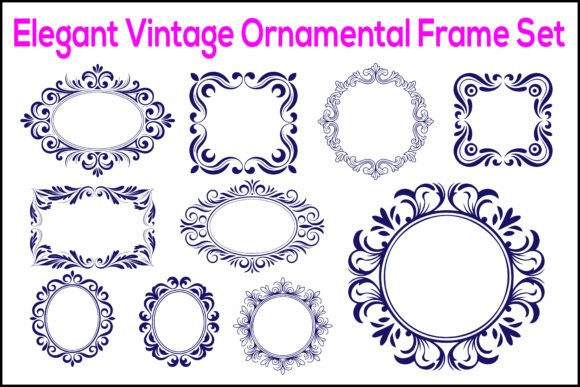
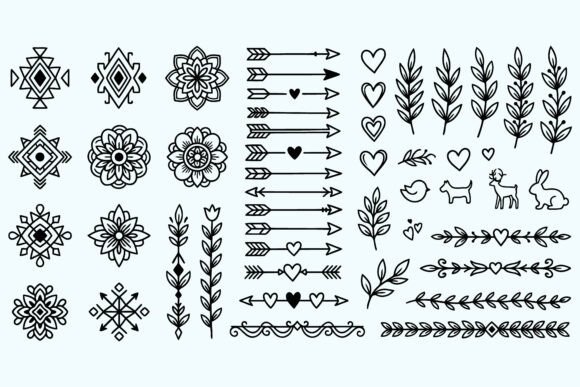
The term "ornamental" refers to the decorative nature of these works. They are not just functional icons but artistic embellishments designed to enhance the surrounding content. Common motifs include:
- Geometric shapes: Precise triangles, circles, and polygons that provide structure and modern appeal.
- Floral and botanical elements: Delicate leaves, vines, and blossoms that introduce organic softness and natural beauty.
- Symbols of direction and emotion: Arrows that guide the eye and hearts that add a touch of warmth or romance.
- Symmetrical designs: Balanced compositions that evoke a sense of stability and classical elegance.
When these elements are combined in a monochromatic palette, the result is a cohesive visual identity that feels curated and intentional. The delicate balance of sophistication achieved through this method allows the design to complement rather than compete with text or other graphical elements.
Why Monochromatic Design Resonates Today
The resurgence of interest in line art and decorative design is driven by several cultural and technological shifts. Modern consumers are increasingly fatigued by visual clutter. In response, brands and creators are adopting minimalist approaches that prioritize readability and aesthetic calm. Ornamental monochromatic illustrations fit perfectly into this narrative by offering visual interest without overwhelming the senses.
The Role of Vector Technology
Advancements in graphic software have made it easier than ever to create and scale intricate designs. Vector-based illustrations ensure that every decorative element, from the finest leaf vein to the sharpest arrow tip, remains crisp at any size. This scalability is crucial for modern workflows where a single asset might need to appear on a business card, a website header, and a large-format banner.
Furthermore, the monochromatic nature of these designs simplifies the production process. Without the need to manage complex color profiles or ensure consistency across different printing methods, creators can focus on refining the artistic style and composition. This efficiency appeals to freelancers and small businesses looking for high-impact visuals with manageable resource requirements.
Versatility Across Industries
One of the strongest advantages of this aesthetic is its adaptability. Unlike trend-specific colors or fonts, black-and-white ornamental patterns remain relevant across various sectors:
- Luxury and Fashion: High-end brands often use intricate line art to convey exclusivity and heritage. A symmetrical floral border on packaging suggests attention to detail and quality.
- Wellness and Lifestyle: Botanical motifs and organic shapes align naturally with brands focused on nature, health, and mindfulness. The calming effect of monochromatic design supports the messaging of tranquility and balance.
- Editorial and Publishing: Magazines and books utilize these illustrations as chapter headers or section dividers. They add a layer of artistic refinement that enhances the reading experience without distracting from the text.
- Tech and Startups: Even in the digital realm, geometric arrows and abstract shapes can illustrate concepts like growth, connectivity, and precision in a clean, professional manner.
Integrating Ornamental Elements into Creative Workflows
For creators looking to incorporate ornamental monochromatic illustrations into their projects, the key lies in thoughtful application. These designs should serve a purpose, whether it is guiding the user’s eye, framing important information, or establishing a brand’s tonal voice.
Consider the hierarchy. An intricate pattern should not overpower the primary message. Use lighter line weights for background textures and bolder strokes for focal points. For instance, a delicate floral motif might work well as a subtle watermark, while a bold geometric arrow could effectively highlight a call-to-action button.
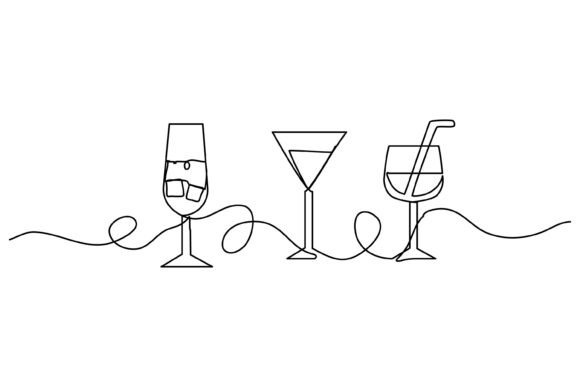
Maintain consistency. If you choose a specific style of line art—such as stippling, hatching, or continuous line drawing—stick to it throughout your project. Mixing too many different artistic techniques can create visual dissonance. A cohesive ornamental collection ensures that all elements feel like they belong to the same family.
Embrace negative space. In monochromatic design, what is left out is as important as what is included. Allow breathing room around complex motifs to let them shine. Crowding intricate details can make the design feel chaotic rather than sophisticated.
The Evolution of Decorative Design
Historically, ornamental design was associated with hand-engraved prints, textiles, and architectural details. Today, digital tools have democratized access to these styles, allowing a broader range of creators to experiment with embellishment and adornment. However, the core principles remain unchanged: harmony, proportion, and craftsmanship.
Modern interpretations often blend traditional motifs with contemporary minimalism. You might see a classic Victorian-style floral arrangement simplified into clean, geometric lines. Or, a traditional mandala pattern reimagined with sharp, angular edges. This fusion respects the past while speaking to present-day aesthetics, making it appealing to a wide demographic.
As user expectations for high-quality visual content continue to rise, the demand for unique, non-generic assets grows. Stock photography often lacks the specific nuance required for niche branding. Custom or carefully curated vector illustrations provide a solution, offering distinctiveness and legal safety for commercial use.
Practical Recommendations for Implementation
To effectively leverage this style, consider the following steps:
- Audit your current visual identity. Determine if a shift toward monochromatic ornamentation aligns with your brand values. Does your audience appreciate elegance and detail?
- Start small. Introduce decorative elements in low-risk areas such as social media templates, email footers, or presentation slides. Observe how your audience responds to the change in tone.
- Invest in quality assets. Whether creating original work or licensing from artists, ensure that the line art is clean and the vectors are well-constructed. Poorly drawn lines can detract from the perceived professionalism of the design.
- Experiment with scale. Try using a large, bold floral motif as a hero image background, then contrast it with tiny, intricate geometric shapes in the foreground. This play on scale adds depth and visual interest.
Ultimately, ornamental monochromatic illustrations offer a pathway to creating visually rich experiences that respect the viewer’s intelligence and attention. By focusing on form, balance, and detail, creators can produce work that is not only beautiful but also meaningful and enduring. In a noisy digital landscape, the quiet confidence of a well-crafted black-and-white design can be the most powerful statement of all.