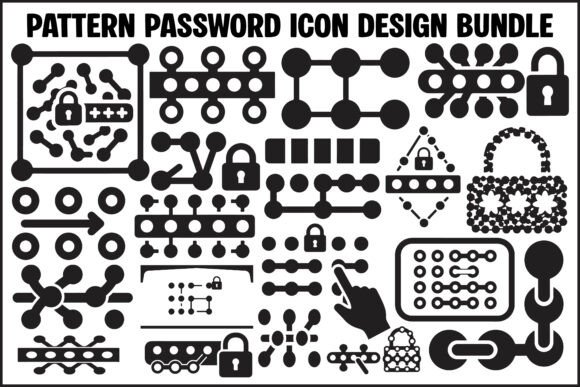
Understanding Pattern Password Security Icons: A Guide to Modern UI/UX Design
In the rapidly evolving landscape of digital security, the visual language we use to communicate safety and access is just as critical as the encryption algorithms working behind the scenes. When users interact with mobile applications, banking platforms, or secure enterprise systems, their first point of contact is often a simple graphic: the pattern password icon. This seemingly small element plays a massive role in user experience (UX), signaling trust, functionality, and modern design sensibilities. For designers, developers, and brand managers, understanding the nuances of these icons is essential for creating intuitive and secure digital environments.
The Role of Visual Symbols in Cybersecurity
Cybersecurity is frequently perceived as a complex, invisible layer of technology. However, for the average user, security is a tangible experience defined by interfaces. The authentication symbol serves as a universal signpost, indicating that a gatekeeper is present. Whether it is a padlock, a fingerprint, or a grid of dots connected by lines, these symbols reduce cognitive load. They tell the user, "This area is protected," and "Here is how you enter."
A well-designed digital lock icon does more than just look appealing; it establishes credibility. In an era where data breaches are common, users are increasingly skeptical of poorly designed interfaces. A clean, professional security symbol suggests that the underlying code is equally robust. Conversely, pixelated or outdated graphics can inadvertently signal negligence, causing users to hesitate before entering sensitive information. This is why high-quality, fully editable vector icons are not merely decorative assets but fundamental components of trust-building in web interfaces and mobile apps.
Why Pattern Locks Remain Popular
Among various authentication methods, the pattern lock holds a unique place in mobile usability. It bridges the gap between the memorability of a PIN and the complexity of a password. Visually representing this mechanism requires specific design considerations. The icon must convey movement, connection, and sequence. A static image of a grid is insufficient; the design needs to imply the action of drawing a path. This is where creative digital lock designs come into play, offering decorative symbols that are both functional and aesthetically pleasing.
For UI/UX designers, having access to a diverse bundle of these symbols allows for greater flexibility. A single style may not fit every project. A fintech app might require a minimalist, serious tone, while a gaming platform could benefit from a more playful, colorful interpretation of the same security concept. This is why comprehensive collections that include multiple formats are invaluable resources for modern creatives.
Essential File Formats for Modern Design Workflows
When selecting design assets for cybersecurity projects, the file format is just as important as the visual style. Different stages of the design and development process require different types of files. A premium collection typically includes four key formats: PNG, SVG, EPS, and JPG. Understanding the specific utility of each ensures that designers can maintain quality across all platforms, from tiny mobile screens to large printed banners.
PNG: Clarity and Transparency
The Portable Network Graphics (PNG) format is a staple for web and app development. The primary advantage of using high-resolution PNGs for security icons is the support for transparent backgrounds. This feature allows designers to overlay icons seamlessly onto various UI elements without worrying about unsightly white boxes or mismatched background colors. Whether the interface uses a dark mode or a light theme, a transparent PNG adapts instantly.
- High Resolution: Ensures smooth edges and crisp details, even on retina displays.
- Ready-to-Use: Ideal for quick implementation in websites, presentations, and app prototypes.
- Versatility: Perfect for both decorative purposes and functional buttons in user interfaces.
SVG: Scalability and Interactivity
Scalable Vector Graphics (SVG) have become the gold standard for modern web design. Unlike raster images, SVGs are code-based vectors that can be scaled to any size without losing quality. This makes them perfect for responsive design, where icons must look sharp on everything from a smartwatch to a 4K monitor. Furthermore, SVGs are easily customizable. Developers can change the color, stroke width, and shape directly via CSS or JavaScript, allowing for dynamic interactions such as changing the icon color when a user successfully unlocks their device.
Compatibility is another major strength. SVG files work smoothly with industry-standard tools like Figma, Adobe Illustrator, and Inkscape. For teams practicing agile development, having clean decorative pattern lock symbols in SVG format streamlines the handoff between designers and developers, ensuring that the final product matches the original vision.
EPS: Professional Print and Branding
While digital screens dominate our attention, print materials remain vital for branding and corporate communication. The Encapsulated PostScript (EPS) format is designed for professional printing. It supports fully editable layers and paths, making it the preferred choice for graphic designers who need to integrate security symbols into large-scale displays, brochures, or business cards. If a cybersecurity firm is launching a new brand identity, having high-quality decorative security illustrations in EPS ensures that the logo and accompanying icons retain their integrity regardless of the print size.
JPG: Accessibility and Previews
Joint Photographic Experts Group (JPG) files are universally compatible. While they do not support transparency, they are excellent for previewing designs, sharing concepts with clients, or using in documents where file size is a concern. High-quality JPGs allow stakeholders to view mockups on any device without needing specialized design software. They are optimized for fast loading, making them ideal for initial presentations and internal reviews.
Integrating Security Icons into User Experience
The placement and style of authentication symbols can significantly impact user behavior. In mobile apps, the pattern password icon is often the first thing a user sees upon opening the application. It sets the tone for the session. A cluttered or confusing icon can cause frustration, leading to increased support tickets or user churn. On the other hand, a clean, intuitive symbol guides the user effortlessly through the login process.
Consider the context of use. In a healthcare app, the security icon should convey seriousness and reliability. Subtle, muted colors and simple geometric shapes work best here. In contrast, a social media platform might use brighter colors and more stylized locks to maintain an energetic vibe. The key is consistency. The security symbols should align with the overall branding materials, creating a cohesive visual narrative.
Moreover, accessibility must be considered. Icons should be distinct enough to be recognized by users with visual impairments. Using high-contrast colors and clear shapes ensures that the meaning of the icon is not lost. This is where having a variety of styles in a design bundle becomes crucial. Designers can test different variations to see which one offers the best clarity and aesthetic appeal for their specific audience.
Conclusion: Investing in Quality Design Assets
In conclusion, the pattern password security icon is far more than a mere graphic; it is a critical component of digital trust and usability. As cyber threats evolve, so too must the visual cues that protect our data. By utilizing high-quality, versatile design assets, professionals can create interfaces that are not only secure but also engaging and easy to use.
Whether you are building a new mobile app, redesigning a corporate website, or creating marketing materials for a cybersecurity firm, having access to a comprehensive bundle of icons is invaluable. With formats ranging from scalable SVGs for web development to printable EPS files for branding, designers have the tools they need to succeed. Embracing these resources allows for greater creativity, efficiency, and ultimately, a better experience for the end-user. In the digital age, clarity is security, and good design is the key to unlocking it.