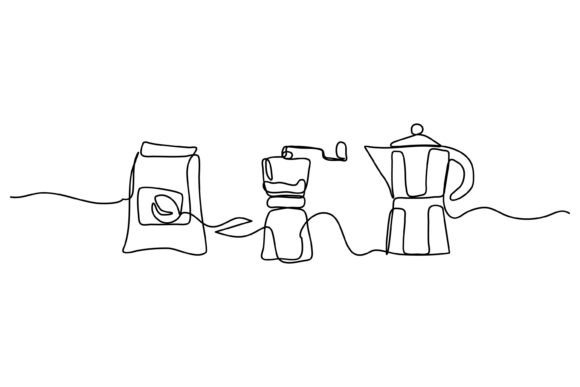
Continuous Line Design of Coffee
In the crowded visual landscape of modern branding and digital content, simplicity often cuts through the noise more effectively than complexity. The Continuous Line Design of Coffee represents a sophisticated approach to minimalist art, where a single, unbroken stroke captures the essence of a steaming cup or an intricate brewing apparatus. This style is not merely an aesthetic choice; it is a strategic tool for designers, marketers, and creators who need to convey warmth, elegance, and clarity without visual clutter.
When you strip away the excess, what remains is pure form and intention. A continuous line drawing relies on the viewer’s brain to fill in the gaps, creating an interactive experience that feels both modern and timeless. Whether you are designing a logo for a new artisanal roastery, creating social media graphics, or looking for unique wall art for a co-working space, this artistic technique offers versatility that few other styles can match.
The Art of Simplicity and Flow
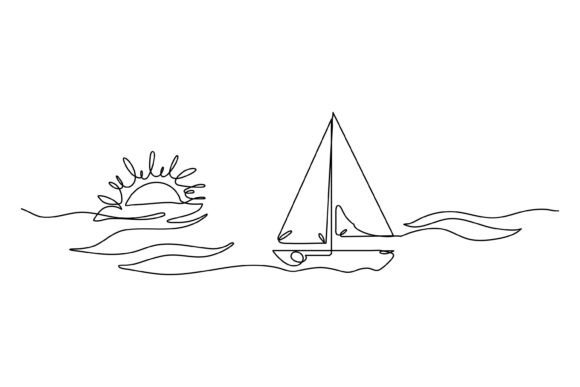
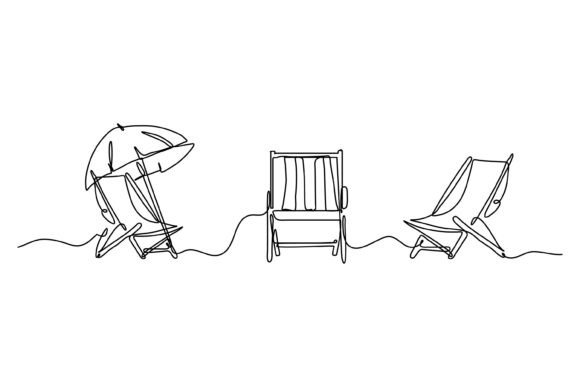
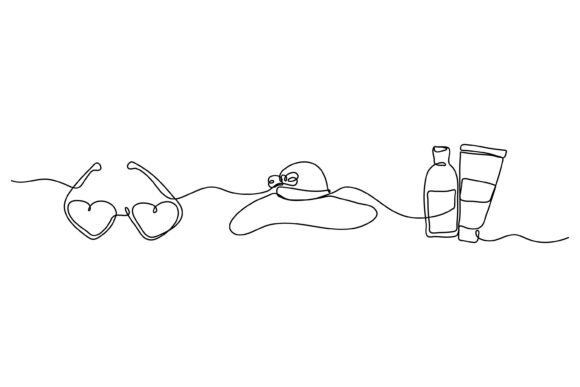
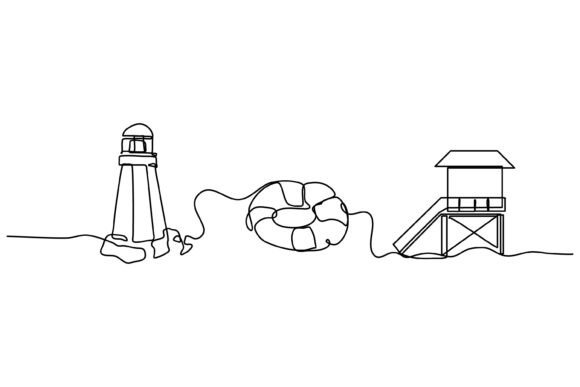
At its core, this design philosophy is about economy of movement. The artist lifts the pen only once, meaning every curve and angle must serve a dual purpose: defining shape and maintaining flow. When applied to coffee imagery, such as a classic ceramic mug with rising steam or the mechanical precision of an espresso machine, the result is strikingly clean. The single line decorative element drawn on white creates high contrast, ensuring the image pops against any background while maintaining a sense of airy sophistication.
This style works particularly well because coffee culture itself is a blend of ritual and modernity. The fluidity of the line mirrors the pour of hot water over grounds, while the structural integrity of the drawing reflects the engineering behind quality equipment. For professionals in the food and beverage industry, using a Continuous Line Design of Coffee making machine can signal attention to detail and a respect for the craft, without appearing overly technical or cold.
Practical Applications Across Industries
The utility of these vector-based assets extends far beyond simple decoration. Because they are scalable and clean, they fit seamlessly into various professional workflows. Here is how different sectors can leverage this specific artistic style:
- Branding and Identity: Startups and small businesses often struggle with logo legibility at small sizes. A continuous line icon remains recognizable even when shrunk down for a favicon or a mobile app icon. It suggests a brand that is approachable yet refined.
- Digital Marketing: In email newsletters and social media posts, heavy graphics can slow load times and distract from the copy. Lightweight SVG files derived from these designs ensure fast performance while adding visual interest to break up text blocks.
- Interior Design and Print: For cafes, hotels, or home offices, these designs translate beautifully into large-format prints. The minimalism complements modern industrial or Scandinavian interior styles, providing focal points that do not overwhelm the space.
- Educational Materials: Educators and bloggers explaining the coffee brewing process can use simplified line drawings of grinders, French presses, or pour-over setups. These illustrations clarify concepts without the distraction of photorealistic details.
Technical Advantages and File Formats
One of the most significant benefits of acquiring professional continuous line art is the format in which it is delivered. Typically, you will receive a package containing EPS, SVG, and JPG files. Understanding the role of each format is crucial for maximizing the value of your purchase.
The SVG (Scalable Vector Graphics) file is arguably the most important for web developers and digital designers. It allows the image to be scaled to any size without losing quality, ensuring crisp edges on high-resolution retina displays. Furthermore, SVG code can be manipulated via CSS, allowing you to change the line color or thickness dynamically to match your website’s theme.
The EPS (Encapsulated PostScript) file is the standard for print professionals. If you are sending your design to a commercial printer for business cards, packaging, or large banners, the EPS file ensures that the vector paths remain editable and sharp. This is essential for maintaining the integrity of the continuous line, where any pixelation would ruin the illusion of a single, fluid stroke.
Finally, the JPG provides a quick, ready-to-use raster image for immediate insertion into documents, presentations, or social media platforms that do not support vector uploads. Having all three formats ensures you are prepared for any medium, from a digital blog post to a physical storefront sign.
Enhancing User Experience and Engagement
From a user experience (UX) perspective, minimalism reduces cognitive load. When users visit a website or read a brochure, they scan for information quickly. Complex, detailed illustrations require more mental energy to process. A Continuous Line Design of Coffee acts as a visual anchor that is instantly recognizable but does not demand prolonged attention. This balance helps guide the eye toward key calls to action or important textual information.
Moreover, there is an emotional component to this style. The hand-drawn nature of continuous line art, even when digitized, retains a human touch. It feels organic and authentic, which resonates with audiences tired of sterile, corporate stock photography. In an era where consumers crave authenticity, using art that suggests human craftsmanship can subtly enhance brand trust and engagement.
Selecting the Right Design for Your Needs
When evaluating continuous line assets, consider the context in which they will be used. If the design is intended for a technical manual about espresso machines, look for a Continuous Line Design of Coffee making machine that accurately reflects the proportions and key components of the device. Accuracy matters here, even in abstraction.
For lifestyle brands or blogs, focus on the mood. A cup with swirling steam might evoke comfort and relaxation, suitable for morning routine content. A sleek, angular depiction of a grinder might suit a tech-focused review site. Always check the line weight; thinner lines appear more delicate and elegant, while thicker lines offer boldness and better visibility at smaller sizes.
It is also wise to consider customization potential. Since these are vector files, you can easily adjust the color palette. While the classic black-on-white look is timeless, adapting the line color to your brand’s primary hue can create a cohesive visual identity. For instance, a deep brown or warm terracotta line can reinforce the coffee theme while staying on brand.
In conclusion, integrating Continuous Line Design of Coffee into your creative projects offers a blend of aesthetic appeal and practical functionality. It is a versatile resource that supports clear communication, enhances brand perception, and adapts effortlessly across digital and print mediums. By choosing high-quality vector assets, you invest in visuals that remain relevant and effective, regardless of changing design trends.