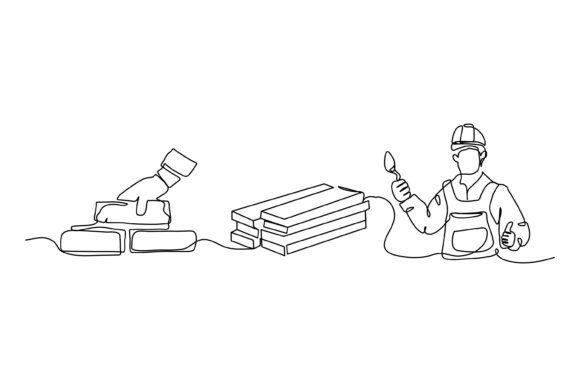
Continuous Line Design of Hammer: Minimalist Art for Modern Visual Identity
In an era where visual clutter dominates digital spaces, the Continuous Line Design of Hammer offers a refreshing return to simplicity and elegance. This artistic technique, which captures the essence of an object through a single, unbroken stroke, has transcended its origins in fine art to become a powerful tool for branding, interior decor, and digital content creation. The appeal lies not just in the aesthetic minimalism, but in the technical precision required to convey complex forms with such economy of line.
For professionals, creators, and entrepreneurs, understanding the value of this style is crucial. It represents a shift towards intentional design, where every element serves a purpose. Whether you are a marketer looking for distinctive iconography or a hobbyist seeking unique wall art, the continuous line approach provides a sophisticated solution that resonates with contemporary tastes.
The Evolution of Single-Line Aesthetics in Professional Workflows
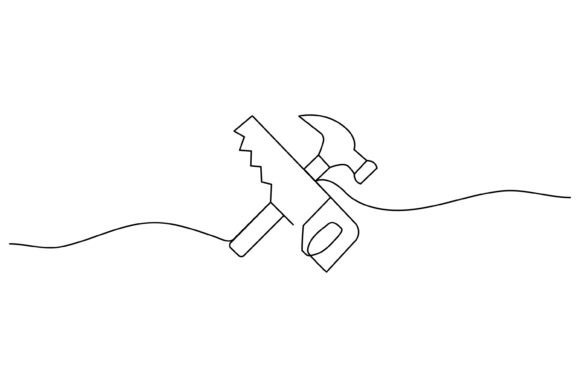
The concept of drawing with a single line is not new; it has roots in the works of modernist masters who sought to strip away the non-essential. However, its application in today’s market is driven by specific technological and cultural shifts. As screen sizes vary from smartwatches to massive monitors, scalable vector graphics have become the standard for high-quality digital assets. The Continuous line design of hammer and saw, for instance, is not merely a decorative choice but a functional one. These images render perfectly at any size without losing clarity, making them ideal for responsive web design and mobile applications.
Modern workflows demand versatility. A graphic designer no longer creates a single static image for a logo; they create a system of assets that must work across social media avatars, letterheads, and large-format prints. The single-line decorative element drawn on white backgrounds fits seamlessly into this ecosystem. It provides a clean canvas that allows other design elements, such as typography or color blocks, to stand out without competing for attention.
Furthermore, the rise of remote work and digital entrepreneurship has increased the demand for personalized yet professional visual identities. Freelancers and small business owners often lack the budget for extensive custom illustration projects. Accessible, high-quality stock assets that mimic bespoke artwork offer a viable alternative. The popularity of these designs reflects a broader desire for authenticity and craftsmanship in a digital world, even when the assets are purchased rather than hand-drawn by the end user.
Practical Implications for Creators and Businesses
Integrating minimalist line art into your brand or creative projects requires an understanding of its psychological impact. Continuous line drawings evoke a sense of fluidity, connection, and calm. For businesses in wellness, construction, design, or education, using a Continuous Line Design of Hammer can subtly communicate stability and precision without appearing rigid or industrial. The hammer, a universal symbol of construction and effort, is softened by the artistic treatment, making it approachable and stylish.
Consider the practical applications for different sectors:
- Interior Design and Home Decor: Large-scale prints of single-line tools serve as sophisticated focal points in modern living spaces. They bridge the gap between industrial chic and minimalist elegance, appealing to homeowners who appreciate craftsmanship.
- Digital Marketing: Bloggers and content creators use these images as header graphics or section dividers. The clean lines ensure that text remains readable, while the artistic flair adds visual interest to long-form content.
- Brand Identity: Startups in the maker space or DIY sector can utilize the continuous line design of hammer and saw to establish a brand voice that is both professional and creative. It signals attention to detail and an appreciation for traditional skills adapted for modern contexts.
The key to successful implementation is consistency. When using these elements, ensure they align with your overall color palette and typography. Since the base design is typically black on white, it offers maximum flexibility for recoloring to match brand guidelines. This adaptability is a significant advantage over more complex illustrations that may clash with certain backgrounds.
Understanding File Formats: EPS, SVG, and JPG
When acquiring digital assets like the Continuous Line Design of Hammer, understanding the file formats provided is essential for maximizing their utility. Most premium resources will offer a package including EPS, SVG, and JPG files. Each format serves a distinct purpose in the creative workflow.
SVG (Scalable Vector Graphics) is arguably the most important format for web and digital use. As a vector format, it uses mathematical equations to define shapes, meaning the image can be scaled infinitely without pixelation. For developers and web designers, SVGs are lightweight and can be manipulated via CSS, allowing for interactive effects such as color changes on hover. This makes the single line decorative element drawn on white highly dynamic for user interfaces.
EPS (Encapsulated PostScript) is the standard for print production. If you intend to use the design for business cards, brochures, or large posters, the EPS file ensures that the lines remain crisp and sharp regardless of the printing resolution. Professional printers prefer EPS because it maintains the integrity of the vector paths, allowing for precise color separation and cutting if needed.
JPG (Joint Photographic Experts Group) is a raster format, suitable for quick previews, social media posts, or situations where vector editing software is not available. While JPGs do not scale well and have a fixed resolution, they are universally compatible and easy to share. Having a high-resolution JPG ensures that you can immediately use the asset in presentations or email newsletters without additional conversion steps.
By providing all three formats, creators ensure that users—from novice bloggers to seasoned graphic designers—can utilize the art effectively. This inclusivity broadens the market appeal and enhances the user experience, reducing friction in the adoption of the design.
Trends Shaping the Future of Minimalist Illustration
The continued relevance of the Continuous line design of hammer and saw is tied to broader trends in visual communication. There is a growing fatigue with overly complex, hyper-realistic 3D renders and busy gradients. Audiences are gravitating towards clarity and honesty in design. This "less is more" philosophy extends beyond aesthetics into functionality, where faster load times and cleaner interfaces improve user engagement.
Moreover, the DIY and maker movements have revitalized interest in traditional tools. Representing these tools through art elevates them from mere objects to symbols of creativity and productivity. This cultural shift means that imagery featuring hammers, saws, and other hand tools is no longer confined to hardware store advertisements. It has entered the realm of lifestyle branding, appealing to a demographic that values self-sufficiency and craft.
Technology also plays a role in the dissemination of these styles. Digital drawing tablets and vector software have made it easier for artists to create perfect continuous lines, lowering the barrier to entry for high-quality production. Consequently, the market is seeing an influx of diverse interpretations of this style, from rough, sketchy lines to polished, geometric curves. This variety allows users to find designs that match their specific tonal requirements, whether they seek a rustic feel or a corporate polish.
Recommendations for Effective Usage
To get the most out of these assets, consider the context in which they will be viewed. For digital screens, prioritize SVGs to ensure accessibility and responsiveness. Use adequate whitespace around the Continuous Line Design of Hammer to let the artwork breathe; crowding it with other elements diminishes its impact. If using for print, verify that the EPS file is set to the correct color mode (CMYK) to avoid unexpected color shifts during production.
Experiment with composition. While the default is often a black line on a white background, do not hesitate to invert colors or place the design over textured backgrounds, provided there is sufficient contrast. The simplicity of the single line allows it to adapt to various environments, but legibility should always remain the priority.
Ultimately, the value of these designs lies in their ability to communicate complex ideas with simplicity. They serve as visual anchors that guide the viewer’s eye without overwhelming the senses. In a crowded marketplace, such clarity is a competitive advantage, making the investment in high-quality, versatile vector art a strategic decision for any forward-thinking creator or business.