Mastering Continuous Line Design of Materials for Modern Aesthetics
In the evolving landscape of interior design and architectural detailing, simplicity often speaks louder than complexity. One technique that has captured the imagination of designers, architects, and DIY enthusiasts alike is the Continuous Line Design of Materials. This artistic approach involves creating intricate patterns, textures, and structural elements using a single, unbroken line. Whether applied to digital vector graphics, physical brick installation, or decorative wall art, this method offers a unique blend of minimalism and sophistication. By understanding how to implement continuous line aesthetics, you can transform ordinary spaces into cohesive, visually striking environments that feel both modern and timeless.
Understanding the Core Concept
At its heart, the Continuous Line Design of Materials is about flow and connectivity. Unlike traditional designs that may rely on disjointed shapes or repetitive, isolated motifs, continuous line work creates a narrative through movement. The eye is guided seamlessly from one point to another without interruption. In the context of materials, this concept translates to how surfaces are treated, how bricks are laid, or how digital assets are constructed for print and display.
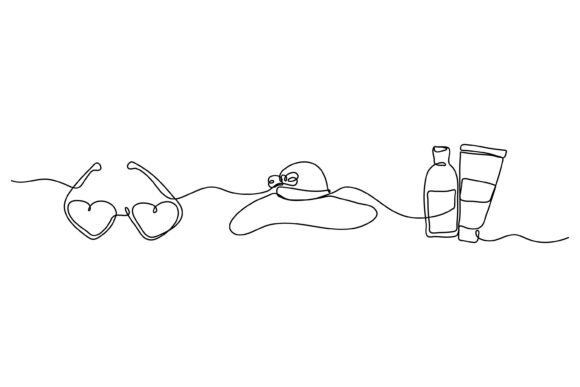
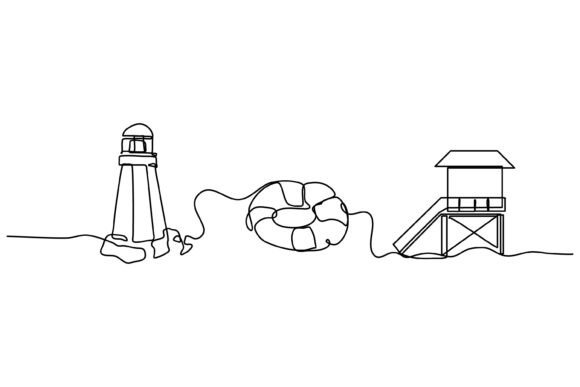
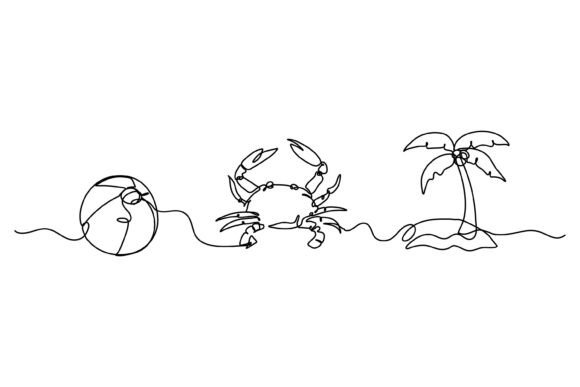
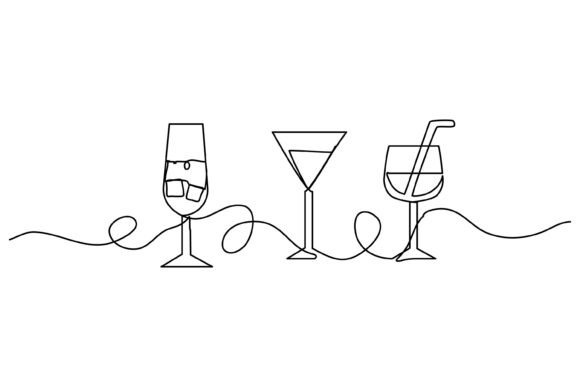
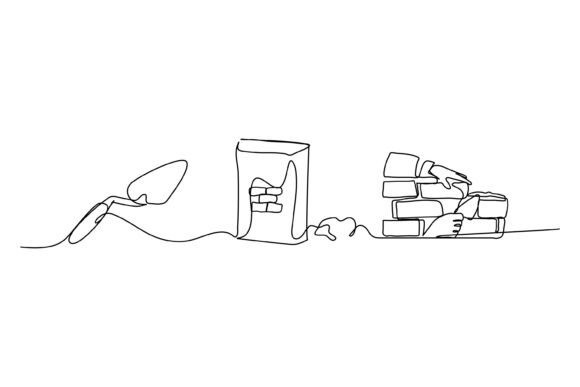
When we talk about a "single line decorative element drawn on white," we are referring to the high-contrast clarity that defines this style. The starkness of a black line against a white background eliminates visual noise, allowing the form itself to take center stage. This clarity is not just an aesthetic choice; it is a functional one. It ensures that the design remains legible and impactful regardless of the scale, whether it is a small icon on a website or a large-scale mural on a living room wall.
Challenges in Modern Design and Installation
Many individuals and professionals face common challenges when attempting to achieve a cohesive look in their projects. One major issue is visual clutter. In an effort to make a space interesting, people often layer too many patterns, colors, and textures, resulting in a chaotic environment that feels stressful rather than inviting. Another challenge is the difficulty of integrating different materials. For instance, combining traditional brickwork with modern minimalist decor can sometimes feel jarring if not handled with care.
Furthermore, there is the technical challenge of execution. In digital design, creating clean, scalable vectors requires precision. In physical construction, such as brick installation, maintaining a consistent pattern that mimics the fluidity of a continuous line demands skilled craftsmanship and careful planning. Homeowners and designers often struggle to find resources that bridge the gap between artistic vision and practical application. They need solutions that are not only beautiful but also feasible to implement within budget and time constraints.
How Continuous Line Design Offers Solutions
The Continuous Line Design of Materials addresses these challenges by prioritizing unity and simplicity. By using a single, flowing motif, you eliminate the risk of visual clutter. The design breathes, giving the viewer’s eye a place to rest while still providing interest. This approach is particularly effective in small spaces, where overly busy patterns can make a room feel cramped. A continuous line design expands the perceived space by leading the eye across the surface without abrupt stops.
In terms of material integration, this style acts as a unifying thread. For example, when applying continuous line principles to brick installation, the focus shifts from individual bricks to the overall pattern they create. This allows traditional materials like brick to feel contemporary and aligned with modern minimalist trends. The continuity of the line softens the rigid nature of masonry, creating a harmonious blend of old and new.
For digital creators and those looking for printable art, the availability of files in EPS, SVG, and JPG formats is crucial. These formats ensure that the continuous line design remains crisp and editable. SVG and EPS files allow for infinite scalability without loss of quality, making them ideal for large-format printing or cutting machines. JPGs provide immediate usability for web content or quick previews. Having access to these versatile file types empowers users to adapt the design to their specific needs, whether for a custom wallpaper print or a laser-cut wooden panel.
Practical Applications and Outcomes
The versatility of Continuous Line Design of Materials means it can be applied in numerous ways. Here are some practical examples of how you can incorporate this style into your projects:
- Wall Art and Murals: Use a single line drawing of abstract shapes, botanical elements, or human figures as a focal point in a living room or bedroom. The simplicity of the line against a white wall creates a gallery-like atmosphere.
- Brick and Tile Patterns: In exterior or interior masonry, arrange bricks or tiles to follow a winding, continuous path. This could involve using contrasting mortar colors to highlight the line or arranging the bricks in a herringbone or basketweave pattern that flows seamlessly across the surface.
- Digital Branding: Incorporate continuous line logos or icons into your brand identity. This style conveys elegance, creativity, and attention to detail, which can enhance customer perception.
- Furniture and Decor: Look for furniture pieces with continuous line metalwork, such as chair legs or table bases. Similarly, decorative objects like vases or lamps with spiraling, unbroken forms add sculptural interest to a room.
The outcome of using these techniques is a space or product that feels intentional and curated. It reduces decision fatigue for the viewer because the design logic is clear and consistent. Moreover, it adds a layer of sophistication that is often associated with high-end design studios, yet it is accessible to anyone with the right resources and guidance.
Tailoring the Approach to Different Users
Different users will approach the Continuous Line Design of Materials in unique ways based on their goals and expertise. For the DIY homeowner, the focus might be on finding ready-made SVG or JPG files to print and frame, or to use with a cutting machine for custom decals. This group benefits from the ease of use and the immediate visual impact of pre-designed elements. They value the "what you will get" aspect—clear, high-quality files that require minimal technical skill to utilize.
For architects and interior designers, the application is more complex. They may use continuous line concepts to guide the layout of entire rooms, ensuring that flooring patterns, ceiling details, and wall treatments all share a common visual language. They might specify brick installations that mimic continuous lines to create feature walls that anchor a space. For these professionals, the emphasis is on customization and integration with other design elements.
Craftsmen and builders, particularly those specializing in masonry, will focus on the technical execution. They need to understand how to translate a two-dimensional line concept into a three-dimensional structure. This involves careful measurement, precise cutting of materials, and an eye for detail to ensure the "line" remains unbroken and visually coherent. Their success depends on mastering the craft while adhering to the artistic vision.
Recommendations for Implementation
To successfully implement Continuous Line Design of Materials, start with a clear plan. If you are working with digital files, ensure you have the correct software to open and edit EPS or SVG formats. Test prints on small scales before committing to large installations. For physical installations like brickwork, create a detailed mock-up or diagram to visualize the flow of the line. Consider lighting conditions, as shadows can enhance or detract from the continuity of the design.
Remember that less is often more. Allow the continuous line to stand out by keeping surrounding elements simple. Avoid competing patterns or colors that might distract from the main feature. By focusing on clarity, flow, and quality execution, you can harness the power of continuous line design to create spaces and products that are both beautiful and functional. Whether you are downloading a simple SVG for a craft project or overseeing a complex brick facade, the principles remain the same: connect the elements, maintain the flow, and let the design speak for itself.